
Asia Market Trends
Asia-Pacific: World's Fastest Growing Region
The Asia-Pacific is the fastest growing region in the global economy, and its economic weight has increased in the last decade, reaching 37.6% of world GDP in 2024. APAC's two economic giants, China and Japan, are the world's second and third largest economies. The fast-growing consumer markets of China, India and ASEAN have a combined population exceeding 3 billion people, and are expected to become an increasingly important driver of global consumption over the next two decades, led by rapidly growing household incomes and a fast growing middle-class. This Asian ascendancy is resulting in a considerable refocusing of corporate strategies of Western multinationals towards the fast-growing emerging Asian economies, due to opportunities for more rapid revenue growth than in more matured developed markets. However this rapid APAC growth is also powering the ascendance of large APAC multinationals, which already comprise of 192 of the Fortune Globe 500, the world's largest corporations. Nevertheless, much of emerging Asia remains relatively underdeveloped with low per capita incomes, and there are considerable near-term challenges in the APAC outlook.
P.R. China - Challenging Economic Transition Underway
Economic growth will slow to 4.7% in 2025 and weaken further in 2026 to 4.3%. Consumption is being dampened by still high precautionary savings as a scarring effect of the pandemic, and the real estate correction but will be supported by the continuing trade-in programme in 2025. Investment in the real estate sector will continue to contract, but business investment will be buttressed in 2025 by the trade-in programme for enterprises. Infrastructure investment will be stable. Exports will be curbed by the newly imposed tariffs on trade with the United States, while imports will fall due to continued localization of production. Consumer price inflation will remain low, and producer prices will continue to fall.


Japan - Robust Profits, Wage Growth - Supporting Domestic Demand
Real GDP growth is projected at 0.7% in 2025, despite significant headwinds, before reverting towards potential in 2026, at 0.4%. Domestic demand will be the main driver of growth. Private consumption is set to increase as robust wage growth boosts households’ disposable income. Expanding profits and government subsidies, especially for green and digital investment, will support business investment, despite higher uncertainty. External demand will exert a drag on growth, reflecting the higher US tariffs. A surge in food prices will slightly raise headline consumer price inflation in 2025, before it eases towards the 2% target in 2026. Inflation above target over the past three years and robust wage growth warrant continued gradual policy interest rate increases, but high uncertainty calls for close monitoring and a data-driven pace. The primary fiscal balance is projected to improve absent additional supplementary budgets, which should be limited to large shocks. To increase fiscal buffers to address shocks and ensure medium-term fiscal sustainability, a medium-term fiscal consolidation path is needed amid rising debt servicing costs. Structural reforms to boost productivity, including labour-saving and labour-augmenting investment, and employment are key to address demographic headwinds and raise potential growth.
India - Domestic Demand Supports Activity
Real GDP is projected to grow by 6.3% in fiscal year 2025-26 and 6.4% in 2026-27. Private consumption will gradually strengthen, driven by rising real incomes that are helped by moderate inflation, recent tax cuts and a strengthening of the labour market. Investment will be supported by declining interest rates and substantial public capital spending, but higher US tariffs will weigh on exports. Inflation will remain contained at around 4% as economic activity grows around trend. A less benign monsoon season or higher global commodity prices could drive up food prices and inflation. The Union Budget for the fiscal year 2025–26 foresees a moderate fiscal consolidation, aiming to reduce the headline budget deficit from 4.8% of GDP in fiscal year 2024-25 to 4.4% in 2025-26. With inflation firmly within the target range, monetary policy is gradually expected to become more accommodative. Better targeting of energy and fertiliser subsidies, and an overhaul of tax expenditures, could enhance spending efficiency and free resources for other policy priorities. Improving logistics efficiency, upgrading digital infrastructure, and enhancing policy predictability, particularly in tax administration, could bolster private investment.

ASEAN - Growth Moderating, Softening Sinks In
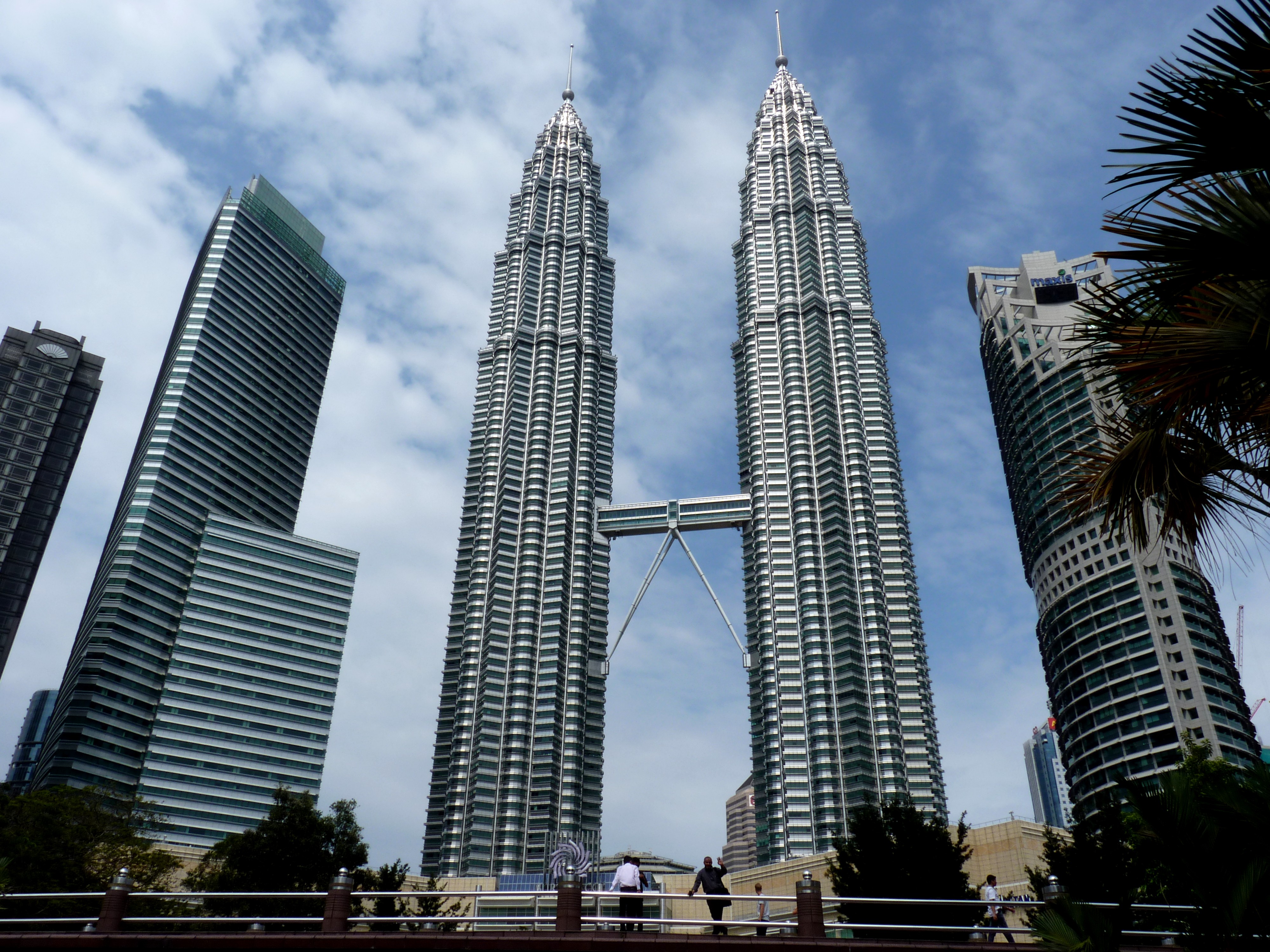
Southeast Asian economies recorded slower growth in the first and second quarter 2025 as trade tensions and policy uncertainties impacted growth drivers. Apart from the Philippines, which attained a marginal 0.1 percent uptick in economic growth in the first quarter, all other Southeast Asian economies saw their growth moderate. Vietnam remained the region’s best-performing economy, despite posting its slowest growth for the past three quarters. Malaysia and Singapore saw their quarterly year-on-year growth moderate for the second time in a row, while Indonesia remained below the government’s 8 percent growth target. Core growth drivers softened: Exports, industrial activity, and investments all showed signs of slowing in the first quarter as market players turned more cautious. Consumption is also less robust despite the low-inflationary environment. Countries in the region appear to be recalibrating their growth expectations for 2025 given heightened market turmoil. The Philippines and Singapore have revised downward their growth targets for 2025, while Malaysia is expected to disclose new growth forecasts once the macro-environment stabilizes. With a challenging growth outlook, central banks in the region may continue to adopt accommodative monetary policies to support their economies, continuing the trend of the first five months of 2025.
For more, and detailed information on a specific market or industry segment, please state your inquiry in our CONTACT Form.
One of our expert representatives will be in touch with you shortly.
